A memorable spread is about more than an unusual flavor name. Fruit quality, recipe balance, texture, packaging, and useful serving ideas all shape the experience. These seven details give you a way to compare products without relying on broad marketing language.
1. Clear information about ingredients and origin
Look for a complete ingredient list and specific sourcing information where the producer provides it. A named region or grower can add context, but it should describe the actual product. Do not assume every ingredient in a jar comes from the place featured on its front label.
2. A production story with substance
Cooking methods can affect color, aroma, and texture. If a brand discusses a particular method, look for a clear explanation of what it does. Claims about low temperatures, vacuum cooking, or nutrient preservation need product-specific support; the words alone do not establish quality.
3. An ingredient list you can interpret
Read beyond “natural” or “clean.” Check the sweeteners, fruit, spices, and any gelling ingredients. Apple pectin helps a fruit spread set; its presence is not, by itself, a reason to reject a product. Coconut sugar, honey, and syrups still contribute added sugar.
4. A balanced flavor
Consider how fruit, sweetness, acidity, and spice work together. A sauce for cheese may need more tartness than one served with plain yogurt. Start with a small tasting, both on its own and with the food you intend to serve.
5. Packaging and practical storage instructions
Check the seal, best-before information, and directions for refrigeration after opening. Choose a jar size that fits your cooking habits. Use a clean spoon each time and follow the label rather than assuming all fruit spreads keep for the same length of time.
6. Specific environmental or sourcing commitments
Claims about responsible production are more useful when they describe a concrete practice. Look for details about packaging, ingredient sourcing, or waste reduction. Treat broad claims of sustainability or ethical production as questions to investigate, not substitutes for evidence.
7. More than one use in your kitchen
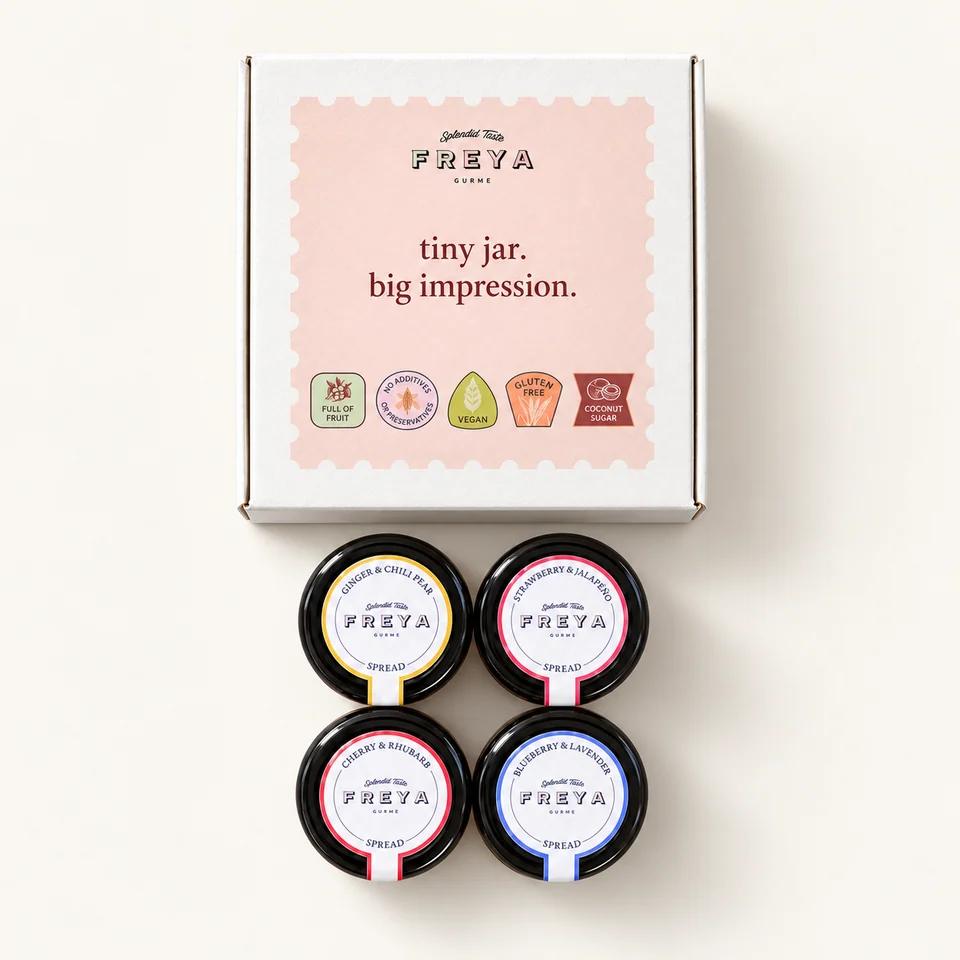
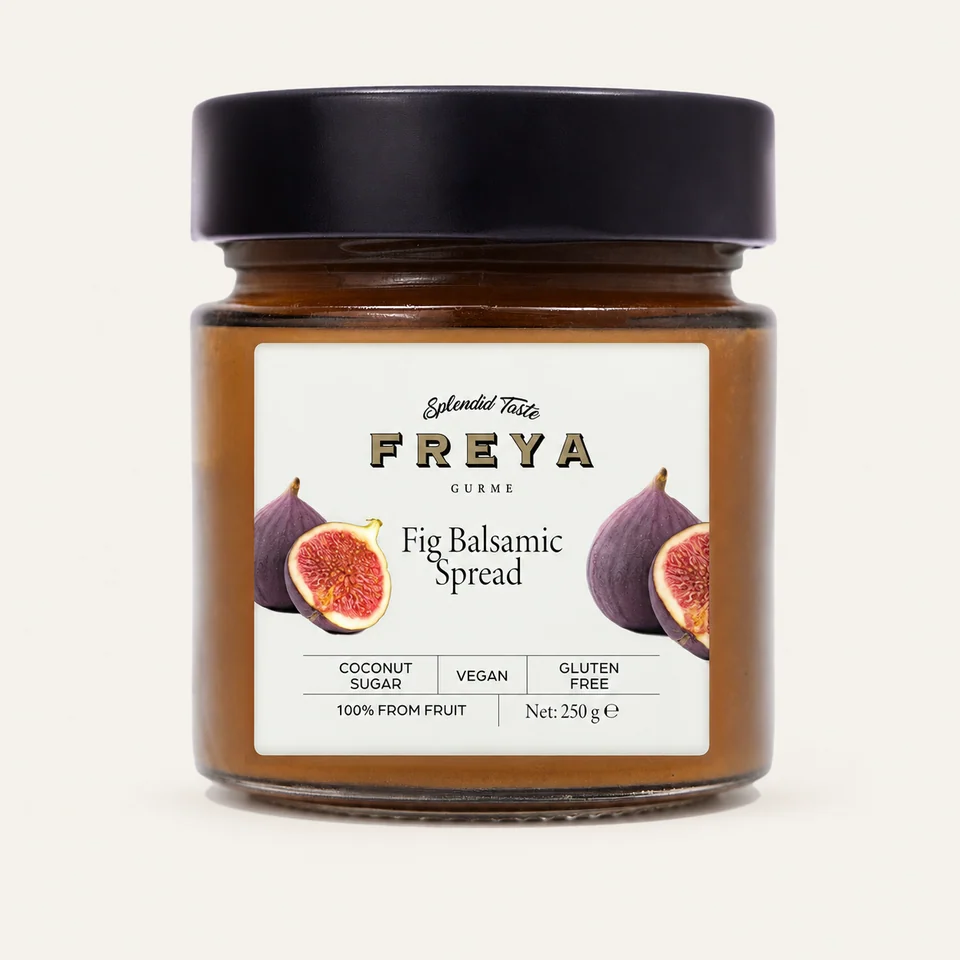
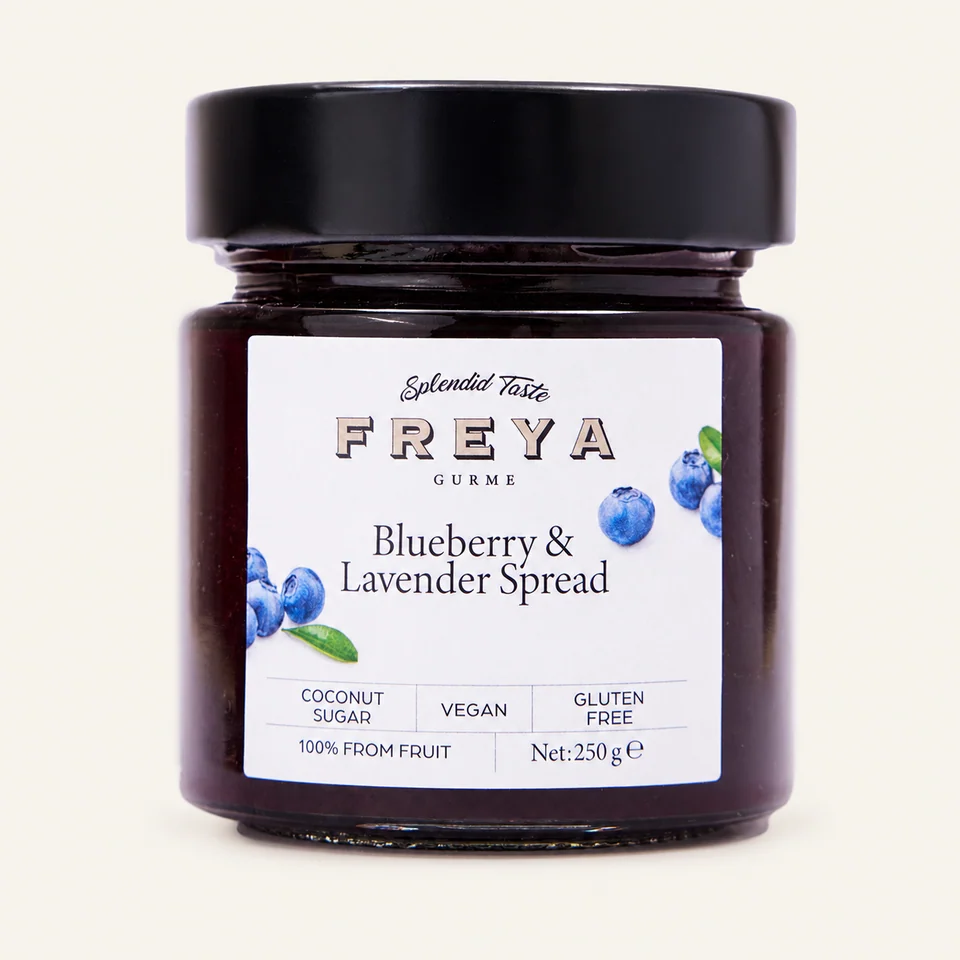
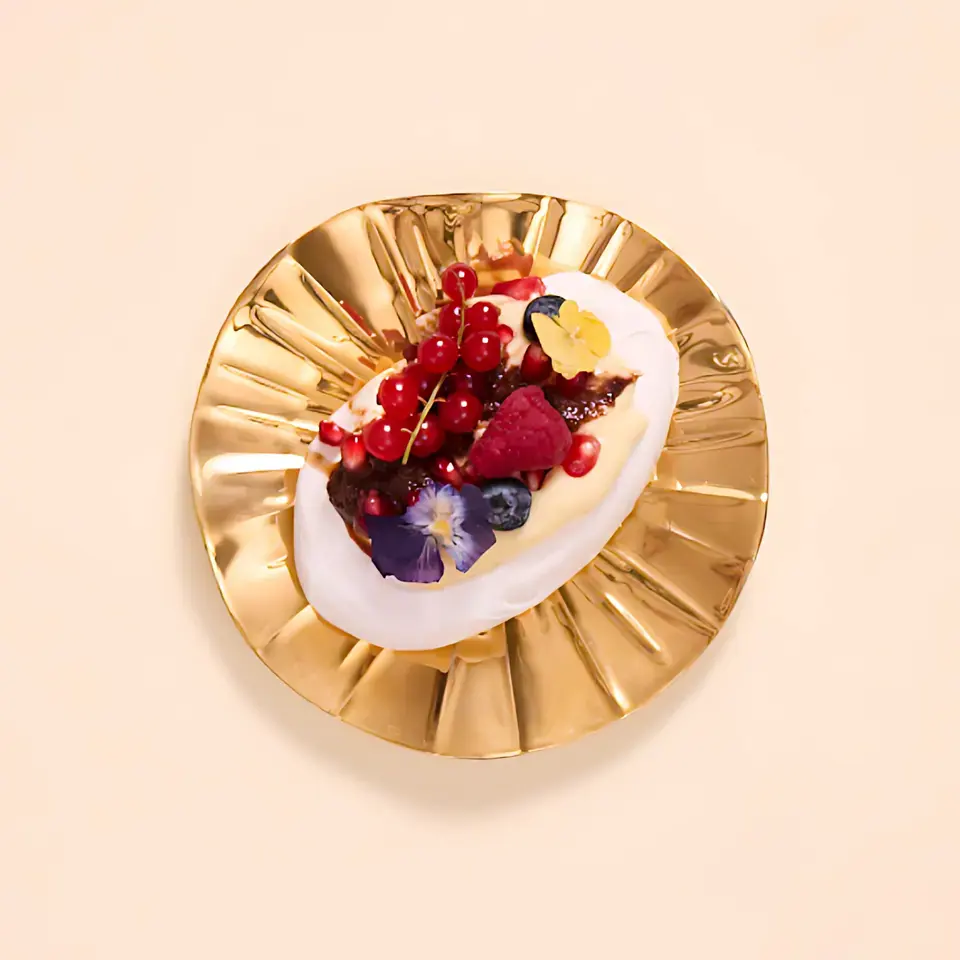
A versatile jar can work on a cheese board, in a salad dressing, and beside a main course. Fig balsamic is a good flavor direction for cheese and roasted foods; blueberry lavender can move between breakfast and dessert. A discovery set makes it possible to compare several profiles.
Get more from the jar
Begin with a small amount, especially with spicy or floral spreads. Loosen thick spreads before using them as dressings. When glazing hot food, add the spread late enough to limit scorching. For a tasting board, use separate small bowls so flavors stay distinct and guests can build their own combinations.