A good sauce gives a meat dish a second layer of flavor without covering up the main ingredient. Fruit can bring sweetness and acidity, while peppers and ginger introduce heat and aroma. The best starting point is the meat itself: how rich it is, how it is seasoned, and whether it is grilled, roasted, or pan-seared.
Start with balance
Rich cuts often welcome a tart accompaniment. Leaner cuts may work better with a gentler fruit flavor and a little cooking liquid to soften the sauce. If the meat already has a bold spice rub, use less sauce and taste before adding more heat.
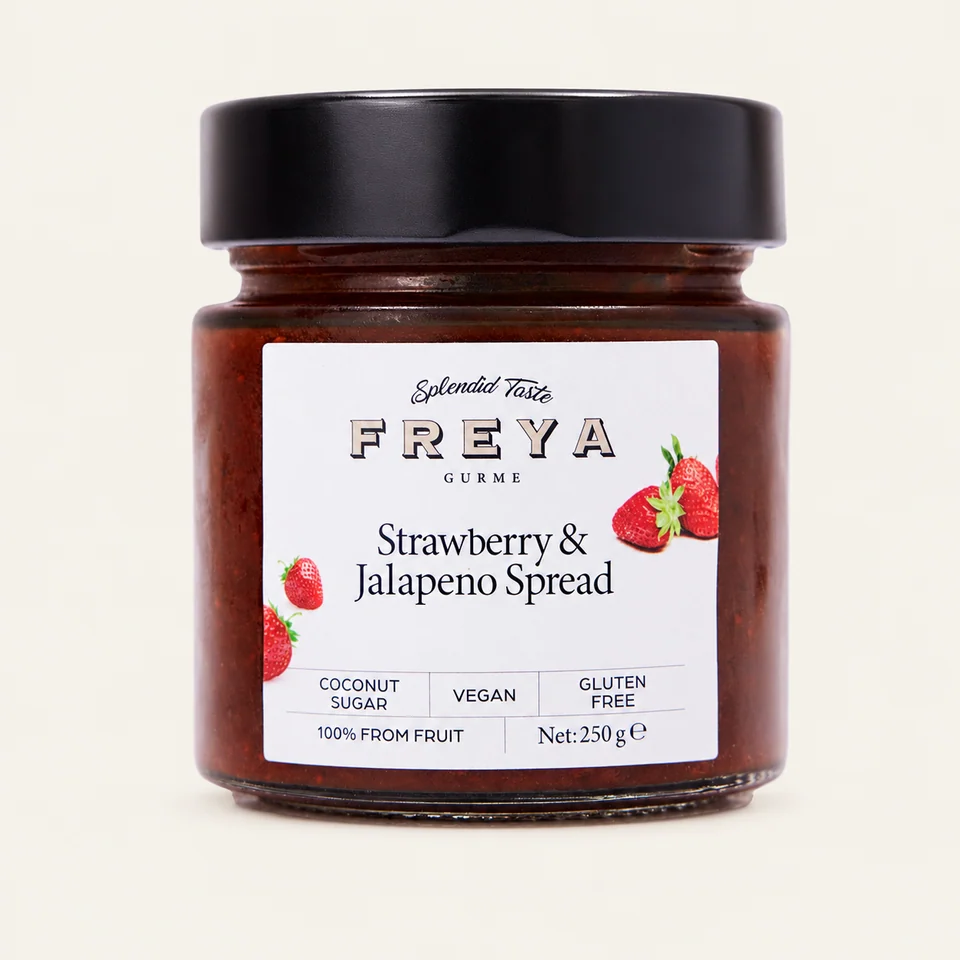
Strawberry and jalapeño with beef
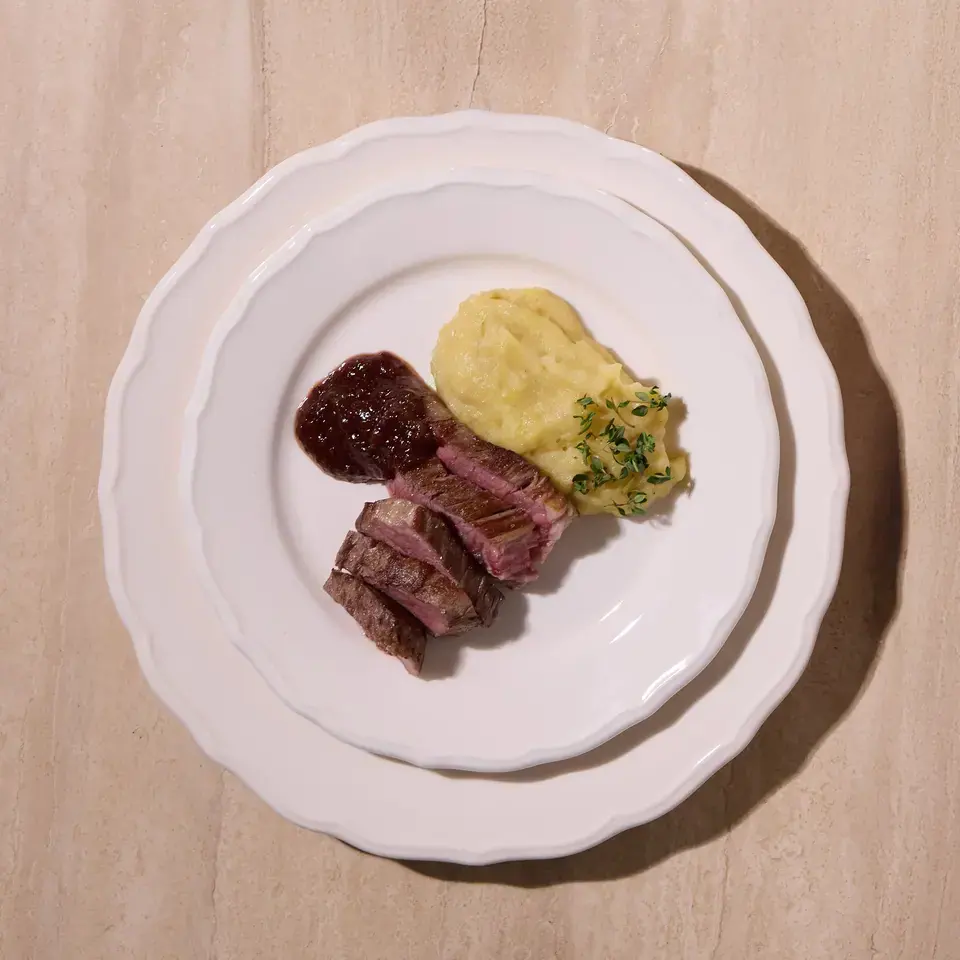
Freya Gurme Strawberry Jalapeño Spread combines fruit sweetness with pepper heat. Serve a small spoonful beside steak or beef tenderloin, or use it in a warm sandwich with cooked beef and cheese. The contrast is especially useful when the rest of the plate is simple: potatoes, greens, or grilled vegetables.
For a glaze, brush on a light layer toward the end of cooking. Fruit spreads contain sugars that can scorch under strong heat, so keep an eye on the surface rather than relying only on a timer.
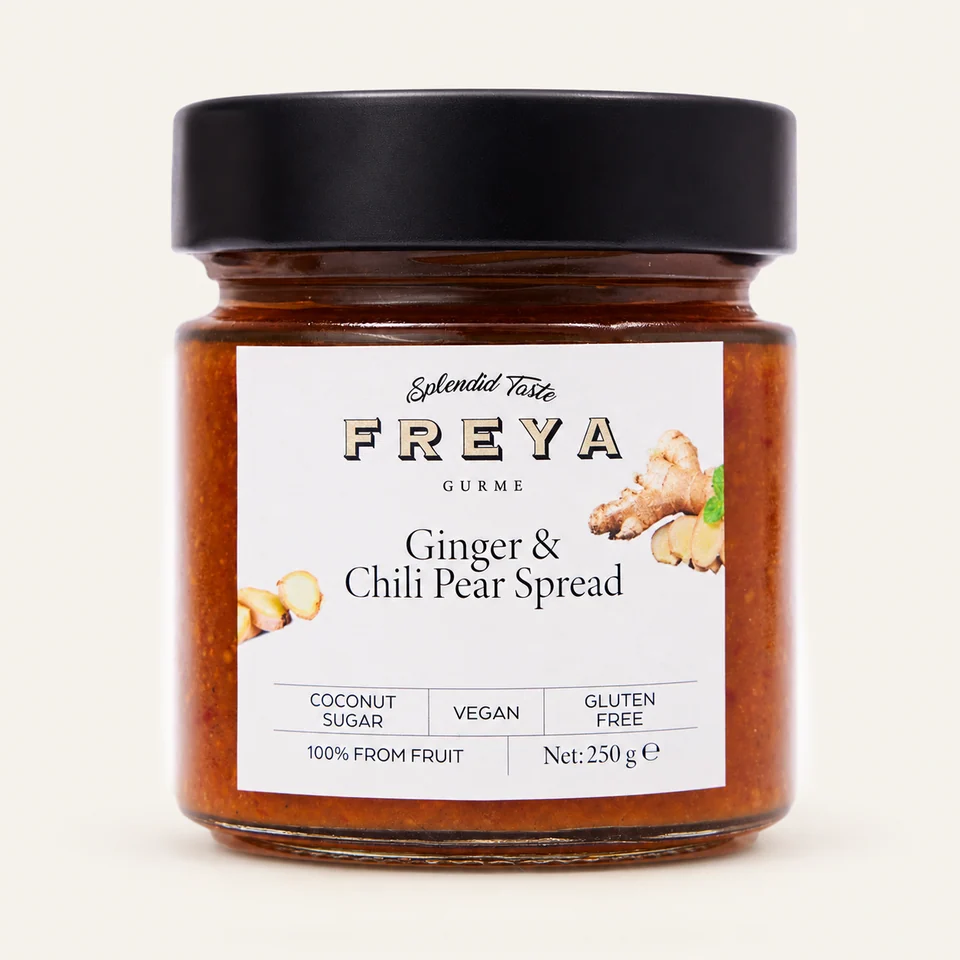
Ginger and pear with beef or lamb
Ginger-Spiced Pear Spread offers a different kind of warmth. Pear rounds out the flavor while ginger adds a fragrant, slightly sharp finish. Try it beside lamb, spoon a little over sliced roast beef, or stir it into a small amount of warm stock for a looser serving sauce.
Read the ingredients, then taste
Choose by the actual ingredient list and the flavor you want. A fruit spread may contain added sugar, pectin, spices, or vinegar; those ingredients affect its sweetness, thickness, and how it behaves in a pan. A short label alone does not tell you whether it will suit a particular dish.
Serve a little sauce on the side for the first tasting. You can always add more, and guests can decide how much fruit and heat they prefer with each bite.