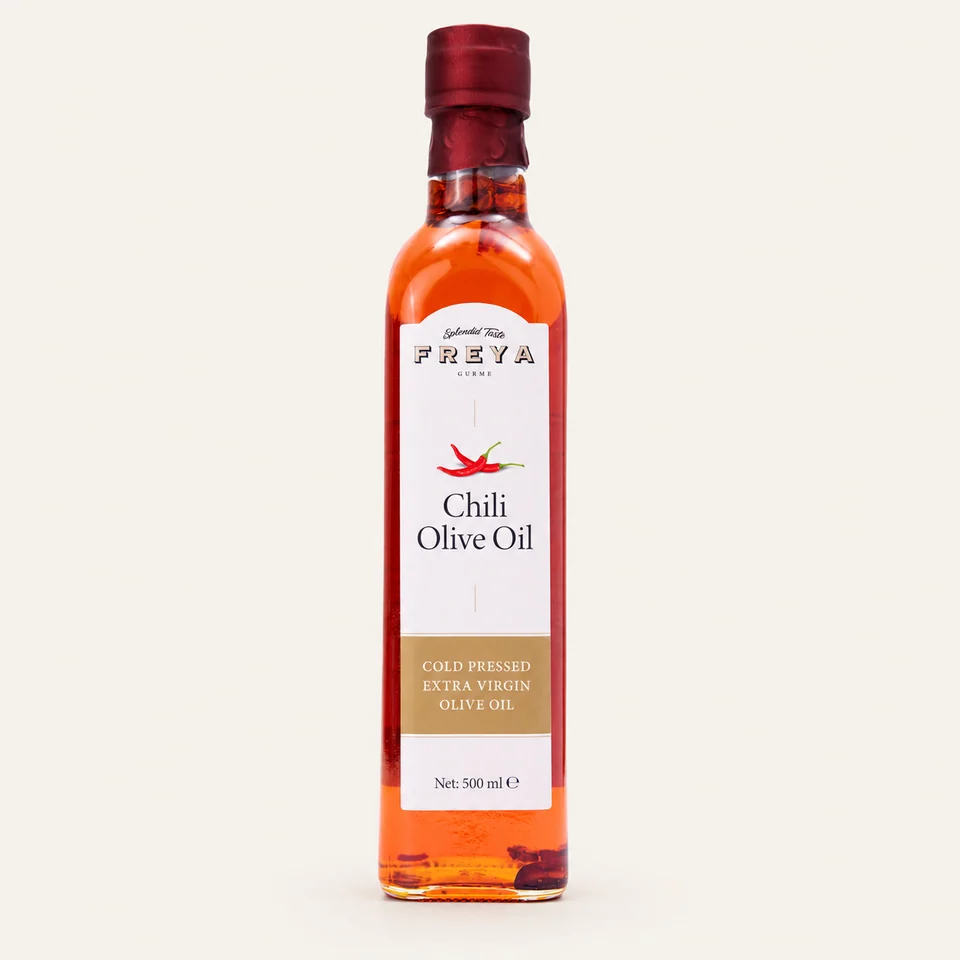
Chili olive oil can be part of a marinade, a light coating before cooking, or a finishing drizzle. Each use gives a different result. Start by tasting the oil on a piece of bread so you know its heat level before adding it to a whole tray of food.
Marinate with a purpose
Mix a small amount with herbs and an acidic ingredient such as lemon juice if the recipe calls for it. A marinade seasons the food; it does not guarantee tenderness or prevent overcooking. Keep the food refrigerated while it marinates and set aside a separate clean portion of dressing for serving.
Beef and lamb
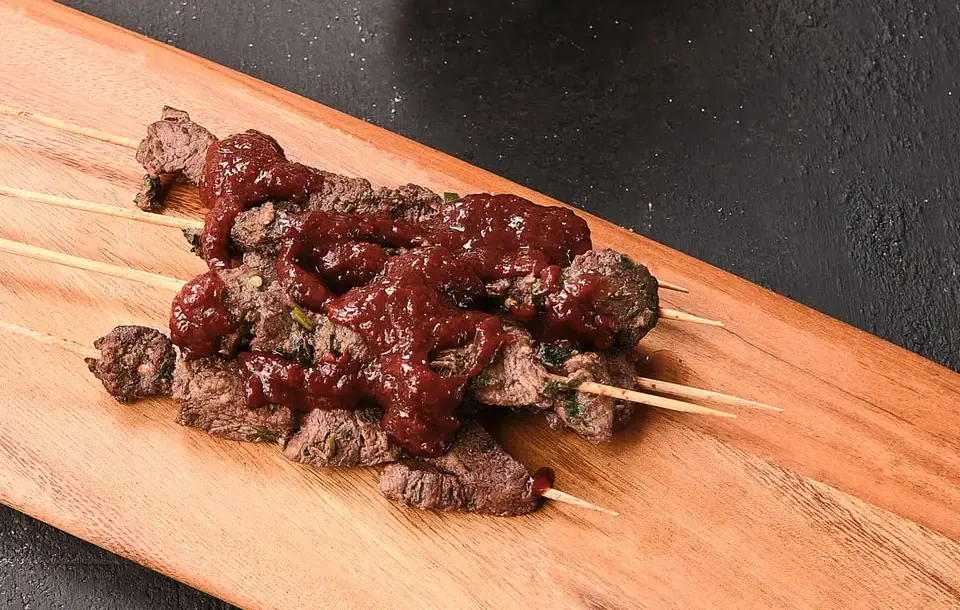
For a lightly seasoned cut, chili olive oil adds pepper warmth without requiring a complicated spice blend. Avoid leaving a heavy coating that drips excessively onto the grill. Once the meat is cooked, a small finishing drizzle lets you adjust the heat at the table.
Pair the meat with a simple side so the seasoning remains clear. Roasted potatoes, grilled vegetables, or a plain rice dish can carry some of the oil's flavor without adding another competing sauce.
Chicken and wings
Use the oil in a recipe's marinade or brush on a restrained amount near serving time. If you combine it with a fruit spread for a glaze, remember that the spread's sugars can scorch. Apply a thin layer toward the end of cooking and watch it closely.
Grilled and roasted vegetables
Eggplant, zucchini, mushrooms, peppers, and root vegetables all offer different textures for chili oil. Coat lightly before cooking if the recipe calls for oil, or drizzle over the finished vegetables for a more direct pepper flavor. Taste before adding more salt or heat.
Sweet vegetables such as squash or carrots provide a useful contrast with chili. A little lemon juice at serving time can bring another dimension, but add it gradually so it does not dominate.
Seafood
For shrimp or a whole fish, use a modest amount so the pepper supports the seafood's flavor. Fresh herbs and a little citrus can complete the plate. Follow a complete recipe for the seafood's preparation and cooking; chili oil is a seasoning, not a substitute for either.
Serve the heat separately
When guests have different preferences, finish the platter with a small amount and put extra oil on the table. This is especially useful with mixed vegetable platters, where one spicy coating would otherwise affect every ingredient.
After the meal
Close the bottle and follow its storage directions, keeping it away from unnecessary heat and direct light. A bottle left beside a hot grill is exposed to conditions quite different from a cool pantry. Bring out only what you need for cooking and serving.